Home / News / Nebraska and West Virginia Primary, May 12: What's on the Ballot and Where to Vote
Nebraska and West Virginia Primary, May 12: What's on the Ballot and Where to Vote
Polls open Tuesday, May 12 in both states. U.S. Senate races on both ballots, plus an open House seat in Omaha worth watching.
Last updated: May 10, 2026
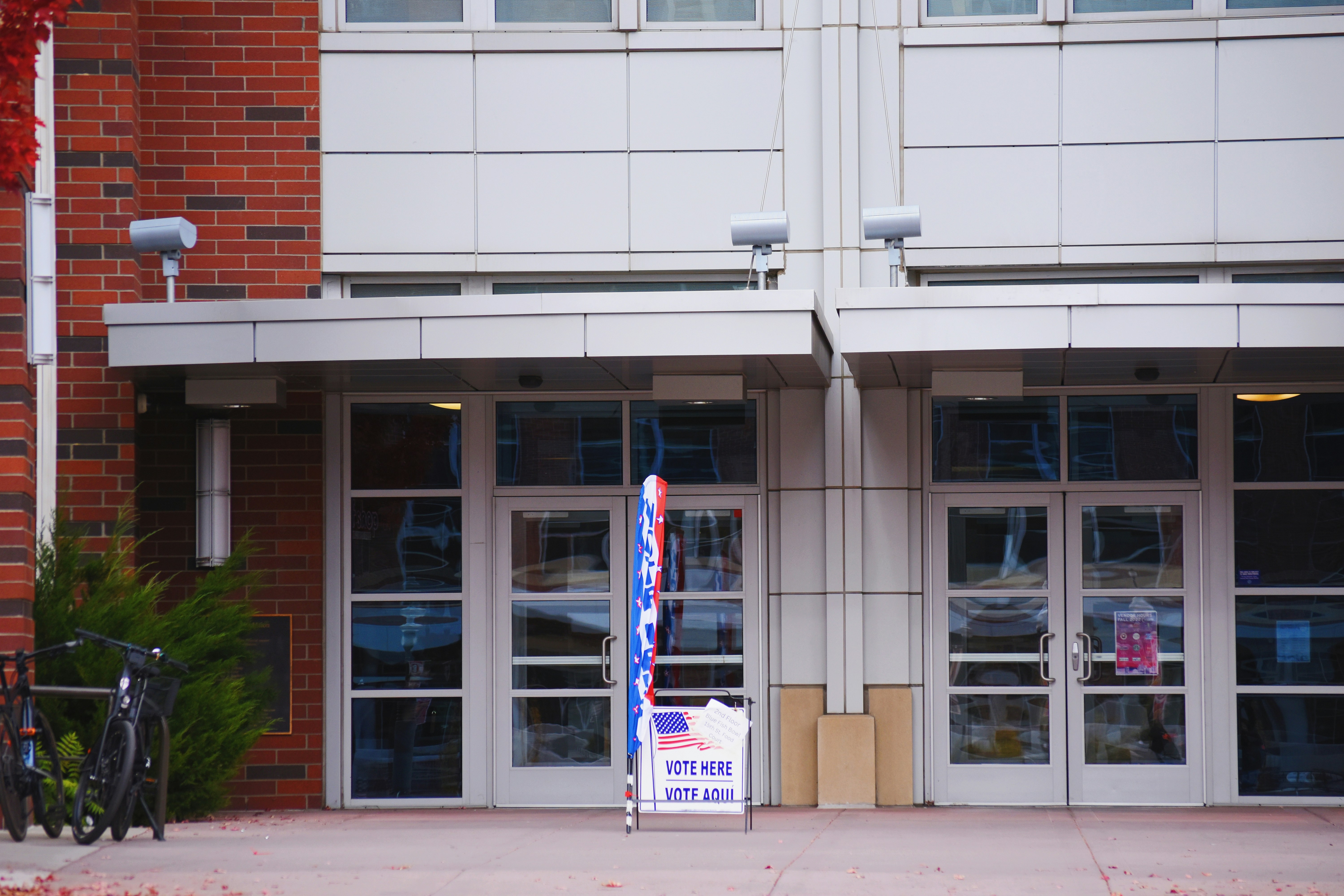
Tuesday, May 12, 2026 is primary day in Nebraska and West Virginia. Both states have a U.S. Senate seat on the ballot this cycle, and Nebraska's 2nd Congressional District in Omaha is one of the few competitive House primaries in either state. May primary turnout typically runs 15 to 25 percent of registered voters, which means a small slice of the electorate picks the names on every November ballot.
Below is what is on the ballot in each state, where to look up your polling place, and a few things worth knowing before you go.
Nebraska — May 12, 2026
Polls are open 8 a.m. to 8 p.m. Central Time, and 7 a.m. to 7 p.m. Mountain Time in the Panhandle counties. If you are in line by closing time, poll workers have to let you cast a ballot.
What Nebraska voters will decide on May 12:
- U.S. Senator. Republican Pete Ricketts, the former governor appointed in 2023 to fill Ben Sasse's seat and elected to finish the term in 2024, is running for his first full six-year term and faces a small Republican primary field. Independent Dan Osborn, who came within five points of unseating Senator Deb Fischer in 2024, is running again as an independent and skipping the primary entirely. The seat is rated Safe Republican for November. Full primary field on Who's Running.
- Governor. Republican incumbent Jim Pillen faces a multi-candidate primary on the Republican side, with former state senator Lynne Walz running on the Democratic side.
- All three U.S. House primaries. The race to watch is Nebraska's 2nd District in Omaha, where Republican Don Bacon's retirement creates an open seat in a Lean Democratic district. Seven Democrats are running for the nomination — including state senator John Cavanaugh, Douglas County Election Commissioner Crystal Rhoades, and Denise Powell — alongside two Republicans, Brinker Harding and former state senator Brett Lindstrom. NE-1 (Mike Flood, R) and NE-3 (Adrian Smith, R) are both rated Safe Republican. Find your district at the Nebraska ballot lookup.
- State legislature. Nebraska is the only state with a one-chamber legislature; half of the 49 nonpartisan Unicameral seats are on the May 12 ballot. The state's legislative primaries are technically nonpartisan — candidates appear without party labels — and the top two finishers advance to November regardless of party.
There are no statewide ballot measures on the May 12 primary ballot. Nebraska has one constitutional amendment this year — a proposal to extend state legislative term limits from two terms to three — but it appears on the November 3 general election ballot, not the primary.
West Virginia — May 12, 2026
Polls are open 6:30 a.m. to 7:30 p.m. local time (most of the state is Eastern). The same in-line-counts rule applies.
What West Virginia voters will decide on May 12:
- U.S. Senator. Republican Shelley Moore Capito, first elected in 2014, is running for a third term. The Republican primary includes a small field of challengers; the Democratic primary is between Rachel Lee Fetty Anderson, Rio Phillips, and Zachary Shrewsbury. The seat is rated Safe Republican for November. Full primary field on Who's Running.
- Both U.S. House primaries. Republican Carol Miller (WV-1) and Republican Riley Moore (WV-2) are the incumbents; both districts are rated Safe Republican. Both have contested Democratic primaries this year. Find your district at the West Virginia ballot lookup.
- State legislature. Half the seats in the West Virginia State Senate (separate from the U.S. Senate) and all 100 seats in the West Virginia House of Delegates.
- Nonpartisan judicial races. West Virginia decides its Supreme Court of Appeals and circuit court judges in the May primary; these races are not held over to November, so the May ballot is the only chance to weigh in.
- County commissioners, school boards, and city offices in most jurisdictions.
There are no statewide ballot measures on the May 12 primary ballot. A proposed amendment on government emergency powers and places of worship is on the November 3 general election ballot, not the primary.
What to bring, what to expect
The single most common reason a voter gets turned away is showing up at the wrong precinct, so confirm your polling place before you go. Both states require ID at the polls; we walked through the specifics in what to bring on Election Day, and a current driver's license or state ID covers you in either state. If you are a first-time voter or have moved since you last voted, the 2026 midterm election guide has the registration deadlines and early voting windows.
A few things worth knowing for May 12:
- The two states handle independent voters differently. West Virginia is semi-closed: registered Democrats and Republicans get their own party's ballot, and unaffiliated voters can request either ballot at the polling place. Nebraska is a closed primary for the major-party races, but the Nebraska Democratic Party allows unaffiliated voters to request a Democratic ballot; the Nebraska Republican Party does not. (For more, see our explainer on open and closed primaries.)
- Bring your phone or a printed sample ballot. Down-ballot races (state legislature, county offices, judges, school boards) move fast, and most voters have not heard of the candidates. If you have a My Ballot account, you can mark your federal picks ahead of time and pull them up on your phone in line. My Ballot covers Senate, House, and governor; for the local levies and judges, your county clerk's sample ballot is the source of truth.
- If something goes wrong — your name is missing from the rolls, the machine rejects your ID, a poll worker tells you you're at the wrong location, or the line is moving slower than the cutoff time — ask for a provisional ballot. You have a legal right to one. It will be reviewed and counted if you were eligible.
Not in Nebraska or West Virginia?
Indiana and Ohio voted on May 5; if you missed those races, our primary day rundown for Indiana and Ohio is still up. Pennsylvania votes next on May 19. The full list of primary dates and registration deadlines for every state is on the election calendar.
Keep Reading
Election Guide
Indiana and Ohio Primary, May 5
The week-prior primary day rundown — Senate field, House races, and Indiana ballot context.
How to Vote
What to Bring to the Polls
A short checklist of what you actually need at your polling place.
Explainer
Open vs. Closed Primaries
Who can vote in which primary, why states draw the line differently, and what it means for independents.
Tool
2026 Election Calendar
Primary dates and registration deadlines for every state. Check yours.
Glossary
6 terms on this page
A proposed law or policy that voters decide directly — yes or no — instead of electing a person.
The person currently holding the office.
A race or office where candidates don't run under a party label.
No incumbent is running. The seat is up for grabs.
A backup ballot you can cast if there's a problem verifying your eligibility at the polls.
The highest court in the U.S., with 9 justices who serve lifetime appointments.
Glossary
6 terms on this page
A proposed law or policy that voters decide directly — yes or no — instead of electing a person.
The person currently holding the office.
A race or office where candidates don't run under a party label.
No incumbent is running. The seat is up for grabs.
A backup ballot you can cast if there's a problem verifying your eligibility at the polls.
The highest court in the U.S., with 9 justices who serve lifetime appointments.