Home / News / Indiana and Ohio Primary, May 5: What's on the Ballot and Where to Vote
Indiana and Ohio Primary, May 5: What's on the Ballot and Where to Vote
Polls open Tuesday, May 5 in both states. Two of the first big primary ballots of the 2026 cycle.
Last updated: May 3, 2026
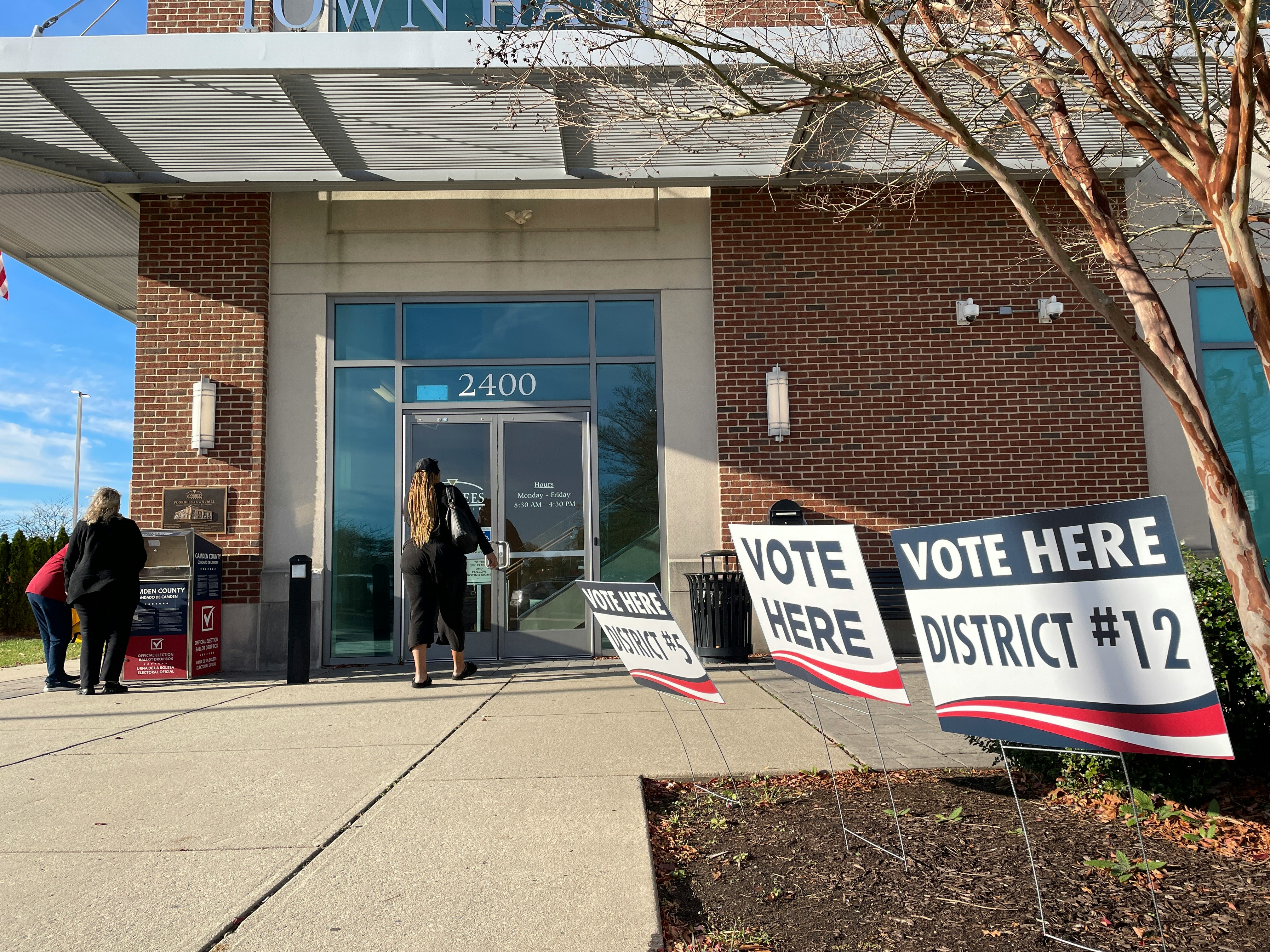
Tuesday, May 5, 2026 is primary day in Indiana and Ohio. May primary turnout typically runs 15 to 25 percent of registered voters, which means a small slice of the electorate will pick the names that show up on every November ballot in both states. If you live in Indiana or Ohio, your vote on May 5 carries unusual weight.
Below is what is on the ballot in each state, where to look up your polling place, and a few things worth knowing before you go.
Indiana — May 5, 2026
Polls are open 6 a.m. to 6 p.m. local time. If you are in line by 6 p.m., poll workers have to let you cast a ballot.
There is no U.S. Senate race or governor's race on the Indiana ballot this cycle. What Indiana voters will decide on May 5:
- All nine U.S. House primaries. Most of Indiana's nine seats are not competitive in November (eight of nine are rated Safe by independent forecasters), so the primary is effectively the election in those districts. Find your district and the candidates running using the Indiana ballot lookup, or browse the full federal field on Who's Running.
- State legislature. All 100 seats in the Indiana State House (the lower chamber of the state legislature, separate from the U.S. House) and half of the 50 seats in the Indiana State Senate.
- County offices, state convention delegates, and precinct committee positions.
Two notes worth knowing. There are no statewide ballot measures on the May 5 primary ballot. Indiana has two proposed constitutional amendments this year — one on bail standards and one on judicial residency — but both are on the November 3 general election ballot, not the primary. And major-party candidates for Secretary of State, State Comptroller, and Treasurer will not appear on this ballot either; those nominations are decided at the state party conventions later in the year.
Ohio — May 5, 2026
Polls are open 6:30 a.m. to 7:30 p.m. The same in-line-counts rule applies.
Ohio's 2026 primary is the bigger of the two ballots. What's on it:
- U.S. Senator. Republican Jon Husted, appointed last year to fill the seat JD Vance vacated, is being primaried by Ohio Secretary of State Frank LaRose. On the Democratic side, former Senator Sherrod Brown, who lost his seat in 2024, is running to return to the chamber against challenger Frederick Ode. The seat is rated Lean Republican for November. Full primary field on Who's Running.
- Governor and Lieutenant Governor, Attorney General, Auditor of State, and Secretary of State.
- All 15 U.S. House primaries. Three of Ohio's House seats are competitive in November and worth watching: OH-1 (Greg Landsman, D, Toss-up), OH-9 (Marcy Kaptur, D, Toss-up), and OH-13 (Emilia Sykes, D, Lean D). Find your district at the Ohio ballot lookup.
- State legislature. All 99 seats in the Ohio State House and the odd-numbered seats in the Ohio State Senate (both are the state legislature, separate from the U.S. House and U.S. Senate).
- Common pleas judges and state central committee seats in most counties.
There are no statewide ballot issues this round, but there are 549 local issues across the state, mostly school district and municipal levies. A few are more substantive: Richland County voters will decide whether to repeal a county-wide ban on commercial solar farms in 11 of its 18 townships.
What to bring, what to expect
The single most common reason a voter gets turned away is showing up at the wrong precinct, so confirm your polling place before you go. Indiana and Ohio both require ID at the polls; we walked through the specifics in what to bring on Election Day, and a current driver's license or state ID covers you in either state. If you are a first-time voter or have moved since you last voted, the 2026 midterm election guide has the registration deadlines and early voting windows.
A few things worth knowing for May 5:
- Neither state registers voters by party. When you check in, you'll be asked which party's ballot you want. Independent and unaffiliated voters can request either one, but you cannot vote in both. (For more on how primary systems differ, see our explainer.)
- Bring your phone or a printed sample ballot. Down-ballot races (state legislature, county offices, judges, ballot measures) move fast, and most voters have not heard of the candidates. If you have a My Ballot account, you can mark your federal picks ahead of time and pull them up on your phone in line. My Ballot covers Senate, House, and governor; for the local levies and judges, your county Board of Elections sample ballot is the source of truth.
- If something goes wrong — your name is missing from the rolls, the machine rejects your ID, a poll worker tells you you're at the wrong location, or the line is moving slower than the cutoff time — ask for a provisional ballot. You have a legal right to one. It will be reviewed and counted if you were eligible.
Not in Indiana or Ohio?
The next wave of state primaries runs through the summer. Nebraska and West Virginia vote on May 12; Pennsylvania follows on May 19. The full list of primary dates and registration deadlines for every state is on the election calendar.
Keep Reading
Election Guide
2026 Midterm Election Guide
Election Day is November 3. Both chambers of Congress are in play, and most state governorships are on the ballot.
How to Vote
What to Bring to the Polls
A short checklist of what you actually need at your polling place.
Explainer
Open vs. Closed Primaries
Who can vote in which primary, why states draw the line differently, and what it means for independents.
Tool
2026 Election Calendar
Primary dates and registration deadlines for every state. Check yours.
Glossary
4 terms on this page
A proposed law or policy that voters decide directly — yes or no — instead of electing a person.
Slightly favors one party, but still competitive.
A backup ballot you can cast if there's a problem verifying your eligibility at the polls.
A race that could go either way. Neither party has a clear advantage.
Glossary
4 terms on this page
A proposed law or policy that voters decide directly — yes or no — instead of electing a person.
Slightly favors one party, but still competitive.
A backup ballot you can cast if there's a problem verifying your eligibility at the polls.
A race that could go either way. Neither party has a clear advantage.