Home / News / What to Bring to the Polls on Election Day
What to Bring to the Polls on Election Day
A short checklist for Election Day. Bring the right ID and know where to go, and you'll be in and out in minutes.
Last updated: April 25, 2026
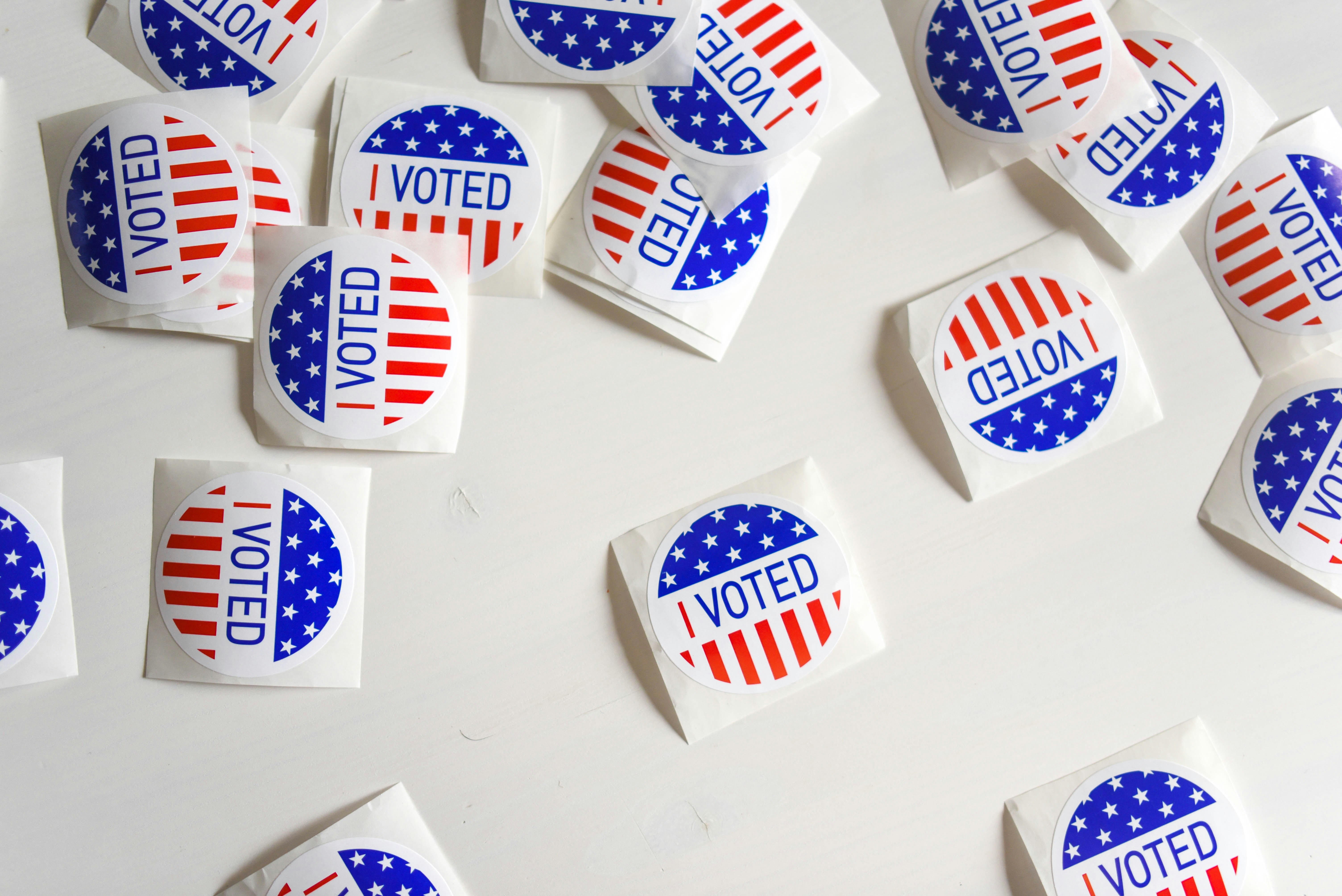
Most polling places will let you vote without much fuss if you show up prepared. The exact rules vary by state, but the basics are the same everywhere. Here's what to pack.
The Essentials
Acceptable photo ID
36 states require some form of ID at the polls. A driver's license, state ID, passport, or military ID works almost everywhere. Some states accept a utility bill or bank statement with your name and address. Look up your state's exact rules at vote.org/voter-id-laws.
Your polling place address
Polling locations change. Confirm yours the day before at vote.org/polling-place-locator. If you show up at the wrong place, your ballot may not count.
Your sample ballot, ready to use as a cheat sheet
Save your picks for the big races (Senate, House, governor) ahead of time in My Ballot, then pull them up on your phone in the booth. Most states allow this. For down-ballot items we don't cover, like judges, school boards, county positions, and local measures, bring your own notes. That's where most people freeze up.
Helpful Extras
- Water and a snack. Lines on Election Day can stretch past two hours in some precincts. In 24 states it's illegal for outside groups to hand out food or water within a certain distance of the polls, so bring your own.
- Your phone. Useful for pulling up your saved ballot in My Ballot or looking up race info on the fly. Some states restrict photography inside the polling place, so don't take a ballot selfie.
- A sweater or jacket. Polling places are often in school gyms and community centers with unpredictable temperatures.
- Headphones. If you're going to be in line a while, podcasts make the wait bearable.
What Not to Bring
- Campaign gear. No t-shirts, hats, buttons, or signs supporting a candidate or party. Most states ban "electioneering" inside or near the polling place. You'll be asked to cover up or leave.
- Pets. Service animals are fine. Other pets are not allowed inside.
- Anyone but yourself, with limited exceptions. Voters with disabilities and voters who need language assistance are usually allowed a helper. Beyond that, family members and friends generally have to wait outside.
If Something Goes Wrong
If you're told you can't vote, ask for a provisional ballot. Every state is required to offer one. Your ballot will be counted once your registration is verified after the election.
If you see voter intimidation, long-line problems, or broken machines, call the nonpartisan Election Protection hotline at 1-866-OUR-VOTE. They're staffed all day on Election Day and can help in real time.
Keep Reading
Election Guide
2026 Midterm Election Guide
The full overview of what's on the ballot and what's at stake on November 3.
Explainer
Reading Your Ballot
A walkthrough of every section you'll see when you vote, from the top of the ticket down to ballot measures.
Tool
Build Your Sample Ballot
Save your picks for every race and measure on your ballot, then pull it up in the booth on Election Day.
Explainer
After You Vote
How ballots get counted, certified, and what happens if there's a recount.
Glossary
2 terms on this page
A race or office where candidates don't run under a party label.
A backup ballot you can cast if there's a problem verifying your eligibility at the polls.
Glossary
2 terms on this page
A race or office where candidates don't run under a party label.
A backup ballot you can cast if there's a problem verifying your eligibility at the polls.