Home / News / 2026 Midterm Election Guide: Everything You Need to Know
2026 Midterm Election Guide: Everything You Need to Know
Election Day is Tuesday, November 3, 2026. Every House seat is up for re-election, alongside a third of the Senate and most state governorships.
Last updated: April 25, 2026
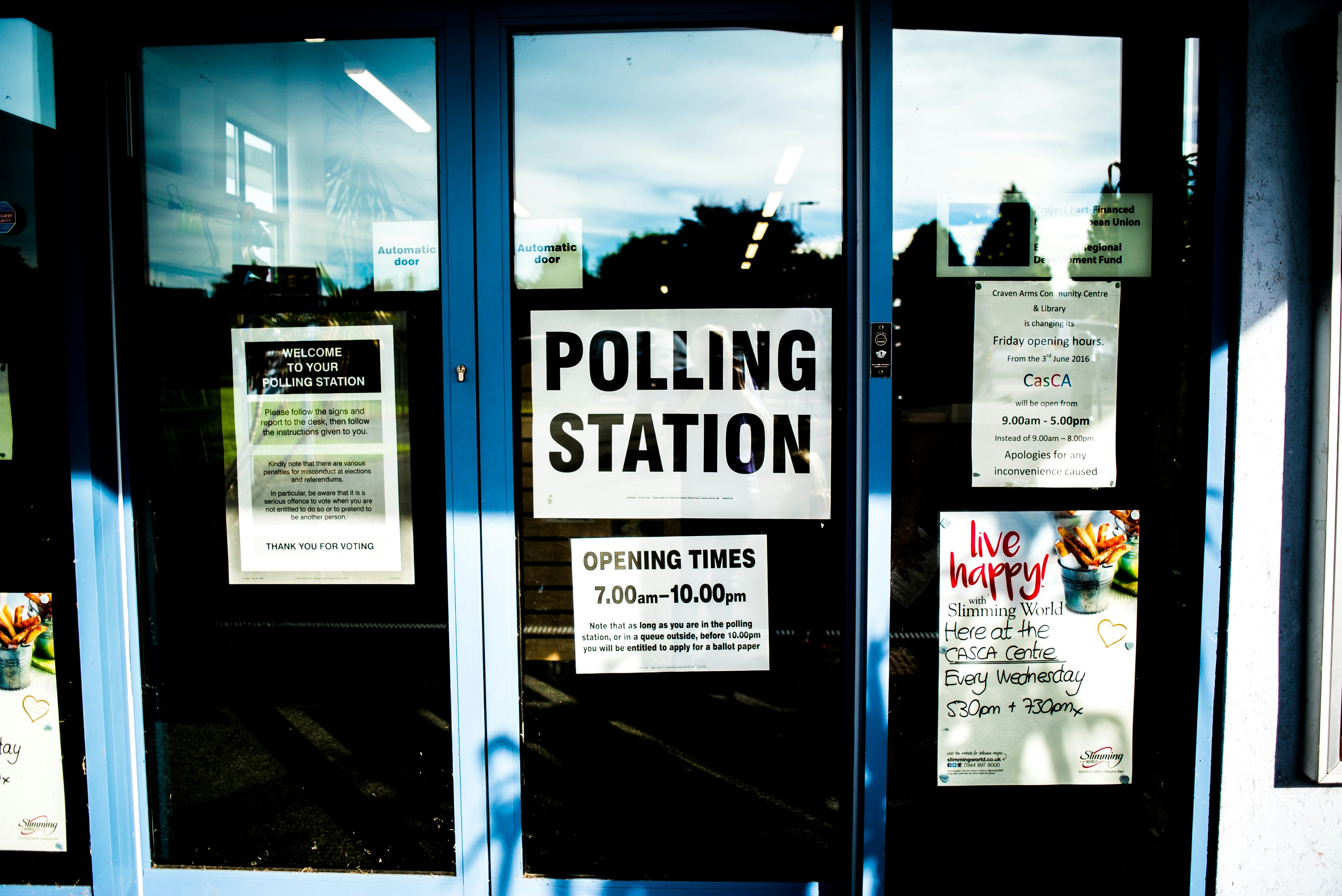
On November 3, 2026, Americans will vote in midterm elections that decide control of the U.S. Senate, the U.S. House of Representatives, 36 governorships, and thousands of state and local offices. The result is essentially a referendum on the sitting president. It also determines how much of the White House's agenda actually becomes reality over the next two years.
Mark your calendar
Tuesday, November 3, 2026
That's the general election. Your state's primary happens earlier, with most falling between March and September. Check the election calendar for your state's date.
What Is a Midterm Election?
A midterm election happens halfway through a president's four-year term. There's no presidential race on the ballot, but voters fill every seat in the House, a third of the Senate, most state governorships, and a long list of state and local offices.
The president's party almost always loses ground in midterms. It's happened in every cycle but two since 1934. That pattern is one reason midterms matter — they're often the country's first real check on a sitting president.
For a deeper background, read our explainer on what midterm elections are and how they work.
What's on the 2026 Ballot?
Federal offices on the ballot in November:
Senate seats
About a third of the chamber. Each senator serves a six-year term.
House seats
Every Representative is up. House terms are only two years.
Governor races
Most states elect governors on the midterm cycle.
Plus thousands of state legislature seats, attorneys general, secretaries of state, judges, mayors, school boards, and ballot measures on issues like minimum wage, abortion access, and voting rights. Use our Find Your Ballot tool to see what'll show up on yours.
What's at Stake: Control of Congress
Both chambers are competitive in 2026. Whichever party holds the majority sets the floor schedule, controls every committee, and decides whether the president's nominees ever get a confirmation vote.
The Path to a Majority
Senate
51 seats wins outright control. With 33 seats up and the rest split between sitting Republicans and Democrats, the math is tight. Most ratings analysts put around 8 races in genuine toss-up or lean territory. Those are the seats that decide the chamber.
House
218 seats wins the majority. Because all 435 seats are on the ballot, the House can flip in a single cycle. About 30 to 40 districts are typically considered competitive, and the rest are baked in by district lines.
See the live picture on our interactive map, or browse the full list of candidates running in 2026.
Key Races to Watch
A handful of states will decide the Senate. The shortlist usually includes:
Ohio, Nevada, Arizona, North Carolina. Both parties are spending heavily and the polling is genuinely too close to call.
Pennsylvania, Georgia, Montana. Republicans are favored, but a Democratic candidate with the right profile could still flip any of them.
Michigan, Wisconsin. Democrats are favored. A strong national environment for Republicans would put both back in play.
Race ratings come from nonpartisan analysts at the Cook Political Report and Sabato's Crystal Ball. They shift over the course of the cycle as new polling and candidate announcements come in. Read more about how race ratings work.
Why This Cycle Matters
Every midterm has stakes, but a few things make 2026 specifically worth paying attention to:
- Senate confirmations. The Senate majority decides whether the president's nominees actually get confirmed. That covers federal judges, cabinet officials, ambassadors, and any Supreme Court vacancy that opens up over the next two years.
- The SAVE Act and voting rules. Congress is actively debating changes to voter registration and ID requirements. The next Senate decides whether bills like that move forward. Read our SAVE Act explainer.
- The 2028 setup. Governors and downballot officials elected in 2026 will be the ones running state election systems during the next presidential election. That includes how votes are counted and certified.
- Ballot measures. Several states are voting on abortion access, minimum wage, marijuana, and election rules. These pass or fail by direct vote, with no involvement from Congress.
How to Get Ready to Vote
Voting takes about ten minutes when you're prepared. The work is in the prep. Four things to do now:
Step 1
Check your registration
Use Vote.org or your Secretary of State's website. If you've moved, changed your name, or skipped a few elections, your registration may have lapsed.
Step 2
Find out what's on your ballot
Our Find Your Ballot page shows you what offices and measures are coming up in your state, plus your primary date.
Step 3
Research the candidates
Browse the candidates directory for fundraising, endorsements, voting records, and links to their official sites.
Step 4
Make a plan
Decide whether you're voting early, by mail, or on Election Day. Look up the deadlines for your state. Registration cutoffs and mail-in ballot request dates can be weeks before November 3.
Frequently Asked Questions
When are the 2026 midterm elections?
November 3, 2026. That's the first Tuesday after the first Monday of November, the date set by federal law for general elections. Primaries happen earlier and vary by state.
What's on the ballot in the 2026 midterms?
All 435 House seats, 33 Senate seats, 36 governorships, plus thousands of state legislature races, local offices, and ballot measures.
Which party controls the Senate right now?
Republicans hold the Senate majority going into 2026. Democrats need to flip seats to take control, while Republicans are defending most of the competitive races.
Do I have to vote in the primary to vote in November?
No. The primary picks each party's nominee. The November general election is open to all registered voters regardless of whether they voted in a primary. But primary turnout is low, which means primary voters often have outsized influence on who ends up on the November ballot.
Can I register to vote on Election Day?
In about 22 states and DC, yes. Same-day registration is allowed there. In the rest, you need to register before a deadline that ranges from a few days to a full month before the election. Check your state's rules.
Keep Reading
Explainer
What Are Midterm Elections?
A short walkthrough of why midterms exist and the patterns that show up cycle after cycle.
Explainer
Race Ratings, Explained
What Safe, Likely, Lean, and Toss-Up actually mean, and who decides.
Tool
Who's Running in 2026
Browse every Senate, House, and governor candidate with fundraising and race ratings.
Tool
Interactive 2026 Map
See the Senate, House, and governor races state by state, with current ratings.
Glossary
6 terms on this page
A proposed law or policy that voters decide directly — yes or no — instead of electing a person.
Slightly favors one party, but still competitive.
Elections held halfway through a president's 4-year term.
A race or office where candidates don't run under a party label.
The highest court in the U.S., with 9 justices who serve lifetime appointments.
A race that could go either way. Neither party has a clear advantage.
Glossary
6 terms on this page
A proposed law or policy that voters decide directly — yes or no — instead of electing a person.
Slightly favors one party, but still competitive.
Elections held halfway through a president's 4-year term.
A race or office where candidates don't run under a party label.
The highest court in the U.S., with 9 justices who serve lifetime appointments.
A race that could go either way. Neither party has a clear advantage.